Friday, March 11, 2011

Kicking boring oatmeal in the teeth: Lemongrass infused oatmeal

I swore a solemn oath to myself at the beginning of this year. I have a fat hot pink binder full of recipes I've collected from the vast stretches of cyberspace. They're meticulously indexed by recipe type, and I swear I'm writing up a proper index to show at a glance what's in each section. I swore that I'd work through every recipe this year, and wouldn't, on the pain of gastronomic shame, repeat a single dish, no matter how much I love it.

This was the oath I fecklessly swore to myself at the beginning of this year. It was a dangerous oath for someone like me to take. I already have a habit of listening to a favourite song on loop. On top of that, I love, absolutely love my trashy quick dinner of frozen chipped hashbrowns pan fried up with frozen vegetables and a muddled egg. It's my comfort food go to. I adore my chips, ribena mixed with soda water and the frosted flakes (not all at the same time!). All these vices involve repeats depending on the weather, my mood, and whether anyone else is around to witness the food debauchery. On the other hand, I also love a fine lamb biriyani, a steaming bowl of tom yum goong or the always elegant sole meuniรจre. There's tyranny in only worshipping the divine. I like the profane things too.

The beginning of the calendar year is always a good time to plot future projects. For instance, I was checking out madame tigress' blog and saw her recipe for confiture des vieux garcon. By a fortunate stroke of luck, I managed to find a vintage rumtopf/pickling jar. A future post is coming up as soon as the first fruits of the season come in.
 

Now onto the subject at hand.  I've been finding ways to subvert the deeply ingrained boredom that generally accompanies a bowl of morning oatmeal. I began with the simple addition of some of the peach marmalade I made last summer. I just chucked in a tablespoon and a bit of it into the pot as the marmalade cooked. Delicious.


Then I took some blueberries I froze last summer and plopped a few of those in with a dollop of honey, some ground flaxseed and some freshly grated nutmeg. The main thing is to incorporate your flavours while the oatmeal is still cooking. I loved the vivid colours of this bowl. and its velvety sweet blueberry flavour. This particular variation of oatmeal was inspired by Lottie and Doof's breakfast porridge.

We experimented like madmen. We added candied ginger with fresh apple pieces and Saigon cinnamon to the oatmeal pot another morning. Flaxseed meal. Lots of it. Luscious atulfo mango with dried ginger and brown sugar. Blueberry with dessicated coconut and sliced almonds. The version I'm going to give you the recipe for excited me so much that I forgot to take a picture of it.  It's a great way to use up those ends and bits of lemon grass leftover from making a lovely Thai, Indonesian or Malay dinner.  We licked the backs of our spoons, examined the pot for more and then resigned ourselves to sipping tea and watching the local elderly people take their morning consititutional stroll.

Lemongrass Infused Oatmeal

1 3/4 cups of cold water
1 really good pinch of salt. I used kosher salt.
1 cup of large flake oats (the yellow label on the Quaker packet or the sort that take about 10 - 15 minutes to cook)
1 - 2 teaspoons of flaxseed meal (or ground flaxseed)
3 inch piece of lemon grass bashed up with the flat of your knife
1/2 a very ripe banana, smashed with a fork
1/2 cup chopped fresh strawberries
1 - 2 tablespoons of honey, depending on how sweet you like your oatmeal

 Method

1. Bring the water to boil in a medium sauce pan with the lemon grass. Chuck the salt in.

2. Drop the oats into the boiling water. Cover the pot with the lid cracked open. Give it a bit of a stir, but don't fuss about it too much. Add the ground flaxseeds or flaxseed meal.

3.  After five minutes, add the banana, strawberries and honey. Stir occasionally to ensure the oatmeal doesn't stick to the bottom of the pot and burn. Cook to the desired consistency. I like my oatmeal fairly stiff, but Ck likes his a bit more fast and loose.

Do you have your own oatmeal variations? Do tell and share!

My Mother's Malaysian-Sri Lankan Style Tomato Omelette


My mother's Malaysian/Sri Lankan style tomato omelette is a staple in our household. It's go-to comfort food, it's the food you make when you're too tired to come up with a fussily cooked protein source for dinner, and with all that, it's damn good. Mom made it for Ck and I a little while ago when we stopped by after work, famished and exhausted. 

You start by chopping up some white onion, spring onion, a bit of tomato, a bit of shallot, a bit of garlic and a bit of ginger. Chuck it all into a nice frying pan that's got a bit of oil in it. Add a dried chili if you like. Fry it up until the onion is translucent and the tomato has softened up.


Beat a few eggs up in a bowl, temper it with a bit of cold water (it makes your eggs lovely and fluffy), salt, white pepper and whatever spice you like. You can add a bit of chili powder to give your omelette a kick. In true Malaysian-Sri Lankan homecooking style, Mom cuts her omelette up into four and flips it over to give it last bit of a cook.


Serve with hot rice, a vegetable side and you've got a fabulous light weeknight supper!


Tuesday, March 1, 2011

On the Subject of Winter Produce: Persimmon Cake


Dear readers, I have a great deal of catch up to do and a significant number of stories that need to be told about the pictures I've been taking for the last few months. We'll start with persimmons and fast forward to the present. This will include tales about asado negro and how my eyes wept from the vinegared fumes, to preserved lemons and the furious pounding of cherry pits for sour cherry liqueur. But back to the persimmons. My parents went a bit mad buying persimmons back when Victoria was teetering on the cusp of winter. They ended up sharing some of the spoils of these persimmon shopping trips with me.


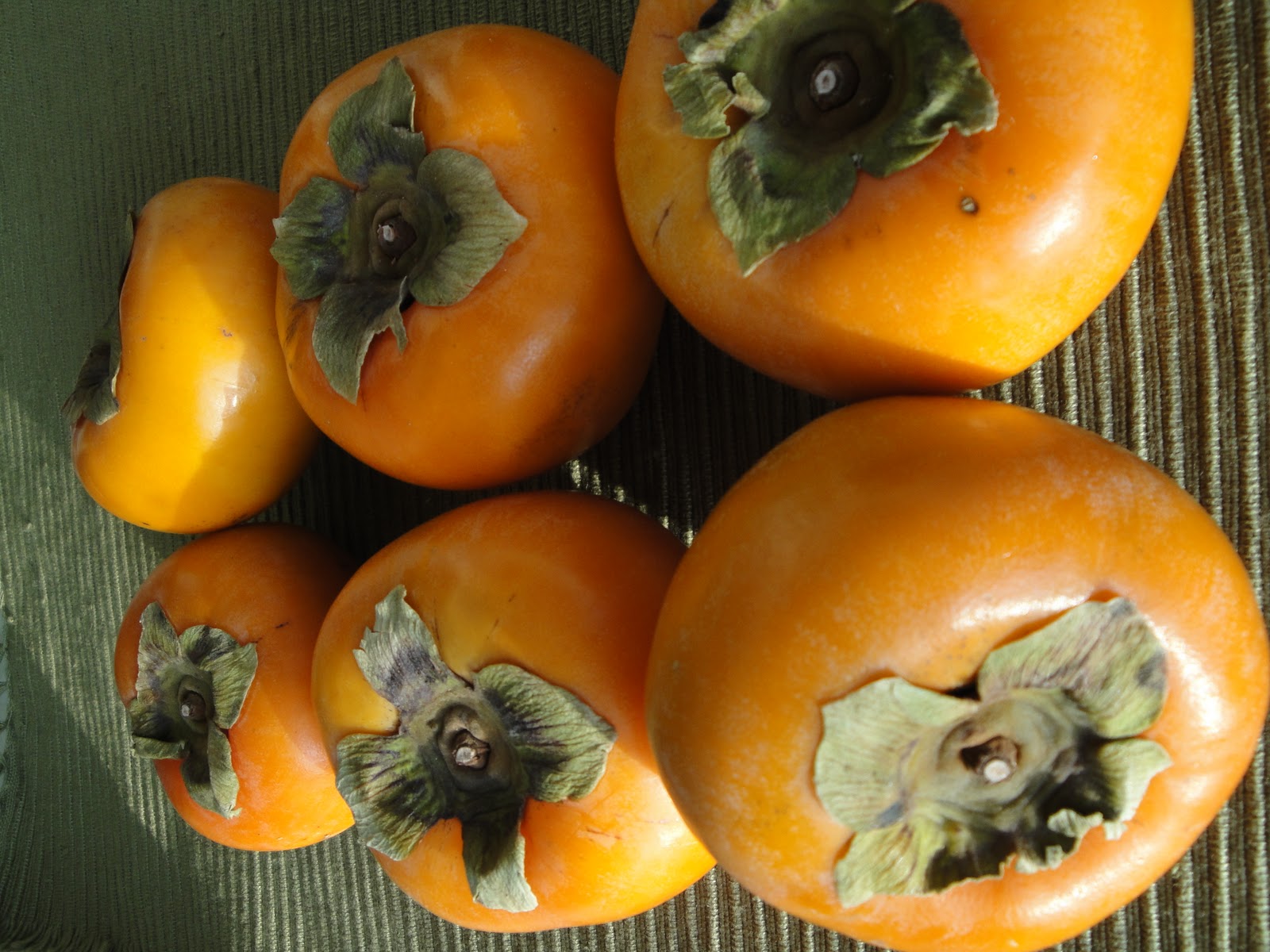
There are two kinds of persimmons - the astringent (e.g. hachiya) and the non-astringent kind (e.g. fuyu). Both types are high in fibre, contain tannins and are supposed to be good for your heart. The heart-shaped hachiya persimmon is not pictured here because in my haste to mash it into a pulp, I forgot to take a picture.

Unless you like furry tasting fruit, for consumption, the hachiya has to be ripe, so ripe that its skin becomes translucent and the fruit feels almost like mush. You can blet persimmons by simply putting them out in sunlight or by wrapping them in paper. My hachiya lived in my kitchen so it was alternately exposed to sunlight and temperatures hovering around zero. The tomato-shaped persimmons pictured here are the fuyu variation. The fuyu persimmon can be eaten when it's quite firm, and it's still lovely to eat even when it has ripened into a supple softness.


Persimmons can be eaten fresh, dried or cooked. I prefer the persimmon when it's still firm. I'm not generally a huge fan of mushy fruits although I did recently try a grenadilla and instantly fell in love with its crunchy seeds and sweet viscous flesh. Since my hachiya had ripened into the golden pulped treasure pictured above, I decided to make cake with it.

As for the rest of the fuyus, I made a darkly spiced persimmon paste out of them and froze it. I have plans for this paste. It will likely be used at some not too distant point in the future for meat dishes and perhaps another cake. Here's my recipe that I adapted from Fresh Approach Cooking:

Persimmon Cake
1 to 2 very ripe hachiya persimmons, yielding about 1 cup fork-mashed pulp
1 teaspoon baking soda
1 teaspoon baking powder
1 1/2 cups unsifted rice flour
1 tsp xanthan gum
1/2 tsp guar gum
1 tsp cinnamon
1/2 tsp each fresh nutmeg and ground cloves
3/4 cup butter
½ cup white sugar
½ cup brown sugar
1 egg
½ cup balkan style yoghurt, slightly diluted
1 tsp orange zest

Method:
 
1. Preheat oven to 350F.

2. Fork mash the persimmon into a pulp. Don't worry if it isn't perfectly smooth.

3. Sift together the flour, xanthan and guar gum, baking soda, baking powder, nutmeg, cloves and cinnamon.

4. In an large bowl, beat butter and sugar until fluffy for about 3 minutes. Add the egg and combine well. Add the persimmon pulp. Add half the flour mix and mix to just combine.

5. Add the yoghurt. Add the remaining flour and stir until it just comes together, then stir in the orange zest.

6. Grease your baking pan of choice with butter. You can use a bundt pan or cake ring or 9 inch cake pan. Spoon the batter in and bake for 45 minutes or more until knife comes out clean. Allow to cool in the pan for 10 minutes, then invert onto a platter to cool completely.

This is best served slightly warm. Before serving, dust lightly with powdered sugar. I loved eating this cake for breakfast!

Saturday, January 22, 2011

Food for Political Discussions and Tight Budgets: Tunisian Tuna Frittata

I'm going to confess. I'm rather smitten. Although the state of being actively smitten has done nothing to arrest the amount of cooking in my kitchen - in fact, it has increased it - I find my blog has suffered a serious lack of attention. I considered this abdication from diligent writing and the cause thereof. The cause is known to my friends as Ck. A man who can interrupt Luscious Domestic blogging activity surely merits that mention before I launch into a telling of the Tunisian Tuna Frittata.

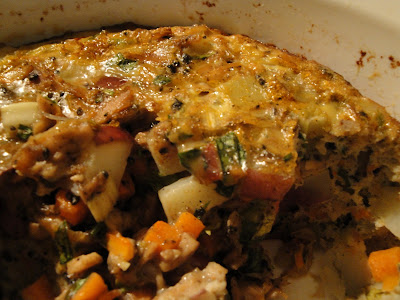
This fritatta seems especially timely given the significant upheaval happening in Tunisia in the last few weeks. Unlike the complexity of the political happenings there, this tuna frittata is not only brilliantly simple, it's divinely tasty and a clever way to make an economical one dish meal on a hectic weeknight. I had found this recipe in the New York Times some time ago and had been waiting to make it for some time.


I decided to make this dish for a very beloved friend and old acquaintance one wintry night not so long ago. Nathan is the sort of friend who possesses an unusual thoughtfulness and perception, which is an excellent asset in a friend on a regular basis, but is especially valuable when you require a minister of war. He also has fantastic taste in music and is a fairly adventurous sort. I was feeling rather tired after a day of driving my mouse, working for the fine people of British Columbia. Tunisian Tuna Frittata it had to be. 


Now don't get fussed when you see the ingredients below for things like harissa and caraway seeds. Harissa is a chili paste that's generally made from Piri Piri chili peppers or whatever chili pepper is on hand, blended with olive oil. It comes in wee little tins and is a standard element of North African cooking (places like Algeria and Tunisia but not so much in Morocco). It's not expensive at all and it's not particularly spicy. It's not nearly as hot as sambal olek but it is distinctive tasting. I would not recommend trying to replace it with whatever chili sauce you have on hand. I doubled the amount of harrisa specified in the recipe and found it quite pleasant.

Caraway is also quite distinctive in its flavour and shouldn't be replaced either. Caraway is also known as Persian cumin. Its seeds are decidedly black and lend a lovely anise-like flavour to foods. It's a key element in rye bread, it's found in a number of European foods (Akvavit and Havarti cheese are the most notable), and it's also used in this frittata. You can find caraway seeds and harrisa at Middle Eastern food shops. I found both these items at the Blair Mart on Pandora Street in Victoria.

I highly recommend grinding whole caraway seeds for this recipe. I'd also strongly suggest using tuna that's packed in light olive oil, not water. The tuna that's packed in water tends to dry out and its flavour is significantly diminished. Lastly, don't be shy about the salt and use good eggs. Good eggs make a significant difference in the final product. If you can get your hands on local farm eggs, do so!

We demolished a good part of the frittata before we abandoned it to nibble on the persimmon cake I whipped up prior to the business of frittata making. I'll definitely share the recipe for that cake with you in the next post. The leftovers - if there are any to be had - are very portable and make a great lunch. I tried eating it cold, and it suited me just fine. But then again, I like cold frittata. Do try this recipe. It's wonderful comfort food on a cold mid-winter night and a happy addition to your lunch box.


Ingredients

1/2 pound boiling potatoes, peeled and cut in small dice (about 1/2 inch)
3/4 pound carrots, peeled and cut in small dice (about 1/2 inch)
2 tablespoons extra virgin olive oil
2 large garlic cloves, mashed with a pinch of salt in a mortar and pestle or finely chopped
2 teaspoons caraway seeds, ground
Salt and freshly ground pepper to taste
2 tablespoons harissa dissolved in 2 tablespoons water, or 1/4 to 1/2 teaspoon cayenne (to taste)
1 6-ounce can of olive oil-packed light tuna (not albacore), drained and broken up with a fork
                                                                                      1/4 cup finely chopped flat-leaf parsley
                                                                                      8 large eggs

Method
 
1. Preheat the oven to 350 degrees. Steam the potatoes and carrots above 1 inch of boiling water until tender, about 10 minutes.

2. Place the oil in a 2-quart baking dish or a 9-inch cast iron skillet. Rub the oil over the sides of the pan, and place in the oven. Meanwhile, whisk the eggs in a large bowl. Whisk in garlic, caraway, salt (about 1/2 teaspoon) and pepper to taste and harissa. Stir in the potatoes, carrots, tuna and parsley. Remove the baking dish from the oven, scrape the egg mixture into the hot baking dish and place in the oven.

3. Bake 30 to 35 minutes until lightly colored on the top and set. Allow to cool for 10 minutes or longer before serving. Serve warm or at room temperature.

Yield: Serves six to eight.

Tuesday, January 11, 2011

Sunday Morning Granola


One morning, after taking advantage of the morning light to photograph "the twins" - the newly-filtered cherry liqueur and the orange peel liqueur, I realized it was time to start Sunday breakfast. I abandoned my plan to continue reading my copy of Ottolenghi's brilliant cookbook, and wandered into the kitchen.

The twins posing on Ottolenghi's cookbook.

We hadn't partied or entertained the night before, so a full on breakfast of eggs, hashbrowns, bacon seemed excessive. Oatmeal seemed like the stuff for work mornings and camping weekends. It had to be granola.

I'll be honest, I'm not too crazy about sprouting mung beans or any of the other hippy things I was surrounded with when growing up on the west coast of Canada. For the longest time, I lumped granola in with the rest of the foods I associated the word "hippy" with. To my uninitiated palate, these foods seemed flavourless, perhaps even joyless.

However, granola has quickly become mainstream in the last decade, with wee but fashionable boxes of the stuff demanding high prices. I will admit that my palate and appreciation for granola evolved in step with the mainstream trend. Many boxes of commercially available granola usually have some form of wheat or gluten in it. Between the allergies, being too lazy to walk to the store, and too cheap to dole out the dollars for a tiny bit of oats mixed with dried fruit, I decided to make my own.

The results? Oh hello, tasty, flavourful granola. Quick and easy to make, it's lovely (I'm told) with some milk. 

I used this lovely honey!
Sunday Morning Granola


2 cups regular oats
1/2 cup flake or dessicated coconut
1/2 cup slivered almonds
1/2 cup sunflower seeds (didn't have any, used up some trail mix)
1/2 cup dried cranberries
1/4 cup sesame seeds
1/2 cup honey or maple/agave syrup
1/3 cup grapeseed oil (Or use something like canola. If you try olive oil, let me know!)

1. Combine all the dry ingredients and mix well.

2. Add in the wet ingredients and mix well. Spread in an even layer that's no thicker than one inch on a well-greased cookie sheet (I used a giant tray, but you can use two smaller sheets).

Granola before I baked it.

3. Bake in 350 degree oven until golden. After about seven minutes in the oven, take the tray out out, and flip the ingredients around using a spatula. Another seven minutes, move it about again. Let it be until it looks golden.

This granola stores well in an air-tight container for up to two weeks. Some people keep it longer. Mine never lasts that long!

Granola is a free-form creative exercise. Try adding things like minced candied ginger, any sort of dried fruit, or different sorts of flaked grains or flaxseed meal. It's a great way to also use up those bits and ends of trail mix that no one seems to want to finish.

Do you have a favourite granola recipe or item to add to granola?

Saturday, December 25, 2010

Sri Lankan Christmas Cake

This year, I tried my hand at making Sri Lankan Christmas cake. My mother, the family keeper of all Christmas cake recipes of the past and present, was the obvious person to refer to for this exercise. After years of waiting, the time had come. I was presented with the recipe for rice flour Christmas cake this year. As I noted in my previous post, it was like getting knighted or something.

I tweaked the recipe in some ways. The first tweak came with the fruit and nuts. I let them sit in liqueur for nearly four weeks. Mom would usually let them sit for no more than five days. I added more liqueur as needed, starting with the traditional rum and brandy. As the weeks passed, the fruit would look thirsty from time to time so I moved on to things like calvados and homemade Italian cherry liqueur to keep them soused.


On the first night of December, the night of the Parisien leek soup, I decided it was time to make the cake. The cake, after all, has to age for at least three weeks before you can think of eating it. We industriously whipped butter with sugar, zested oranges and lemons, and mixed the drunken fruit into all of that.


We painstakingly lined cake tins with wax paper, trimming the edges and slitting the corners to ensure the most perfectly lined cake tin. They were popped into an oven with a bowl of water to keep things steamy and hydrated. We retired to the living room to watch a movie and shamelessly eat large amounts of almond roca and peanut brittle.


When the cake was nearly done, it was time to make the glaze for the top of the cake. Too late for regrets that I didn't artistically decorate the tops of my cakes with carefully cut maraschino cherries or slivered almonds like my mother would. I whipped out a jar of peach marmalade I made this summer, dumped its contents into a pot, added a wee bit of water and cornstarch and fired the stove up. Mum would have used apricot or raspberry jam. I was going to use boozed up peach marmalade. It bubbled and became translucent. I added in rum. Lots of it. The glaze was ready.


I used my pastry brush to glaze the cakes as soon as they came out of the oven. I loved the sweet sheen of the molten marmalade and the warm, heady smell of newly baked Christmas cake.


I left the little cakes out to cool overnight. The next morning, I wrapped the cakes as the oatmeal bubbled on the stove. Leaving their wax paper wraps intact, just as my mother has done a hundred times, I sheathed them in saran wrap, and then again in aluminium foil. I put them away on the shelves next to the rhubarb schnapps for a beauty sleep over the next three weeks.


Three weeks later, the cakes were ready. We sampled a bit a few days before Christmas and agreed the cake was worthy of sharing. On Christmas day, the cake had a place on the family plate of Sri Lankan Christmas sweets.


Happy holidays, dear readers. I wish you all a holiday filled with joy and a new year filled with love and good food. :)


Monday, December 20, 2010

Parisien Leek Soup for James

There's a lot of history behind this recipe. At the request of an old acquaintance, James, whose memory of this soup remained intact twenty years after I first made it, I unearthed this recipe from a small box of childhood keepsakes.

The soup was made for an elementary school French class potluck. My classmate,  James, sampled it and dropped a leek soup reference many years later when he saw my food blog. Gary, my first crush, was  also one of the people who sampled it. He ate three bowls of the soup and told me how much he loved it.  I made this soup with my class partner who was also my best friend. Ten years later, my soup-making partner-friend seduced the man (a little reductionist here) I was madly in love with for most of my twenties. But what do you know about these things or the future when you're a kid. You're not wise enough then to see visions of the future and other portents in the making of soup. 

Really, there's a lot to making serious soup. And this recipe, baby, it's got history. Love food with a twist.

When I examined the recipe, scrawled in my childish hand, I marvelled at its simplicity. There is no pureeing of the soup to create an easy to photograph, perfectly groomed soup that one adorns with walnuts or ash-cured chevre or artistic drizzles of olive oil. Inspired by James' request, I went to the market and bought some leeks, lovely with their groomed tips.


The soup is simple enough to make. I say this because the night I made it, all I had to do was chop up the leeks and potatoes, essentially chuck it all into the soup pot, and then get on with the making of the all important Xmas cake. My mother recently parted with some of the family secrets and bestowed upon me the family recipe for rice flour dark Xmas cake. In our family universe, it's like getting knighted or something.

Here's the historically dramatic, but drama free original leek soup recipe:

Parisien Leek Soup

3 - 4 leeks
3 potatoes (I used red because I didn't have russet and they worked fine)
4 cups of water (I used the leavings of some broccoli water from my experiment with Gordon Ramsey's broccoli soup. Paired this with chicken broth)
1/3 cup of uncooked rice
1 tablespoon of butter
1 tablespoon of olive oil
1 teaspoon of salt
2 - 3 tablespoons chopped fresh parsley

Method 

1. Trim the leeks, halve them and then slice thinly. Whichever way you decide to chop, just chop evenly. The original recipe says to throw the green bits away, but I always disobey and include them.

2. Heat your soup pot up and melt the butter over a low heat. Add the olive oil to minimize butter burn.

3. Cube the potatoes thinly. Don't do instant hashbrown thin. Chuck the leeks in the warmed up soup pot and saute them. When I made this twenty years ago, Viviane and I riffed on the original recipe and browned about half a pound of lean ground beef before we began to saute the leeks.

4. After the leeks have softened and look a bit transparent, add the potatoes and let them have a conversation with the leeks for 2 - 3 minutes. 

5. End the leek-potato conversation by adding the water/broth, salt and rice. Bring it up to a boil, then turn the heat down and let it gently bubble on your stove for about 25 - 30 minutes. The key to this is that you shouldn't let your potatoes fall apart. I found the stated requirement for liquid isn't quite enough. I added more liquid as it pleased me - mostly to maintain a state of soup liquidity that worked for me.

6. Near the end of cooking, add the parsley. If you don't have parsley, add tarragon. Just don't go too crazy. Test the soup for salt and doctor as needed. Serve it with French bread and milk. This soup is very simple but very tasty.